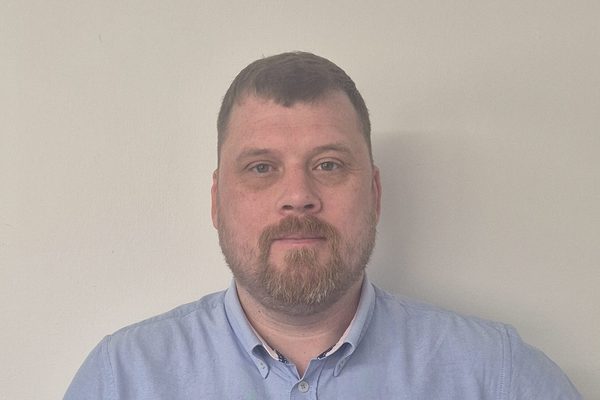


A day in the life of Alan Durrant
Alan Durrant is the Head of Training and Development and a Senior Enforcement Agent Supervisor for High Court Enforcement Group and Excel Civil Enforcement. We asked him to take us through his very varied typical day.

How did you get into your role?
I joined the company on Valentine’s Day, 2011. At the time, I was a retained firefighter in Prestatyn and doing self‑employed property maintenance, while raising my children as a single parent. I reached a point where I needed a stable career, rather than chasing work week to week.
I went to the Job Centre, saw an advert for certificated bailiffs (as enforcement agents were called in those days), no experience necessary, and thought, “Why not?” I phoned, got an interview and that was the start of everything. I’ve never looked back.
I worked for many years on HMCTS arrest warrants, then became a supervisor in 2016, covering North Wales and North-West England.
In 2024, I put in my appraisal that I wanted to move into training - a long‑standing interest of mine - and was appointed lead trainer in September 2024, and on 1st April 2026, I was confirmed as the new Head of Training and Development, while still remaining an active senior enforcement agent supervisor.
What does a typical workday look like for you?
There’s really no such thing as a “typical” day. I’m up at six every morning to support my team of EAs and, if I’m on the road myself, it’s even earlier. If I’m in the office, I’m usually working 9:00 to 5:30, writing or updating training materials, preparing question banks for exams, or running courses.
I have just completed a teacher training course - TQUK Level 3 Award in Education and Training (RQF) - which I mostly studied for in my own time, as part of my training role. This knowledge complements my BA in Business Administration very well.
If I’m not needed in the Colwyn Bay training room, I’ll grab a set of cases and head out on the road to support my team. I still love being hands‑on as an enforcement agent - it keeps me grounded and ensures my training is current.
What are your key responsibilities?
I’m the company’s lead trainer and one of two senior enforcement agent supervisors. That means I train all new agents through their Level 2 Taking Control of Goods qualification to take them through to certification, usually within three months.
I update older courses and develop new courses – I am currently working on a refreshed course for the National Eviction Team - and update our course material with new legislation, ECB standards etc., deliver training internally and externally and maintain our standards. I also recently completed a “train the trainer” course in abrasive wheels.
As a senior supervisor, I provide on the job training and oversee my own team of enforcement agents, help with disciplinaries, grievances and appeals where required. As senior supervisors, we can also step in and deputise for Rob Foster when needed and assist with whatever is required.
I represent the company at conferences and deliver specialist training and presentations to local authorities when required.
What part of your job do you enjoy the most?
I genuinely love training. I enjoy being energetic and engaging, using real‑life stories to bring the role to life, and keeping people focused and motivated. I also enjoy the variety - no two days are the same - and I thrive on having a challenge. When I’m enjoying my job, the people I’m training learn more and that’s important to me.
Give me an audience and a microphone and there’s no stopping me!
What do you find most challenging?
The job can be difficult and stressful, whether that’s dealing with serious vulnerability, tough cases, training or the pressures of supervising a team, but enjoying what I do makes it manageable. Switching off at the end of the day is normally the challenge, but I have learnt to leave work at work… until tomorrow.
Do you have any advice for someone wanting to work in enforcement?
Think carefully about whether it’s right for you. It’s not always the easy job that you see on TV. It can be stressful, emotional, unpredictable and also incredibly rewarding.
You need resilience, empathy and the ability to present your human side at the door. I’ve even received Christmas cards from debtors, thanking me for my patience and the way I have dealt with their cases. If you come into the industry with the right mindset, you can make a real difference to people’s lives.